Textile Desizing Enzyme Supplier for Fabric Mills
Enzymebridge supplies desizing enzyme solutions for cotton fabric mills that need clean starch removal without adding uncertainty to pretreatment. Our work is focused on woven cotton preparation: reliable size breakdown, controlled wet-out, stable fabric handle, and fewer surprises before scouring, bleaching, dyeing, or printing.
If your pretreatment line is fighting uneven absorbency, harsh handle, shade-risk, or repeat washing, we help you specify an enzymatic desizing approach that fits your fabric mix, machine route, liquor ratio, and operating window. We sell wholesale only, to mills, dyehouses and distributors or resellers of textile auxiliaries, with every order quoted individually.
Motion hero video
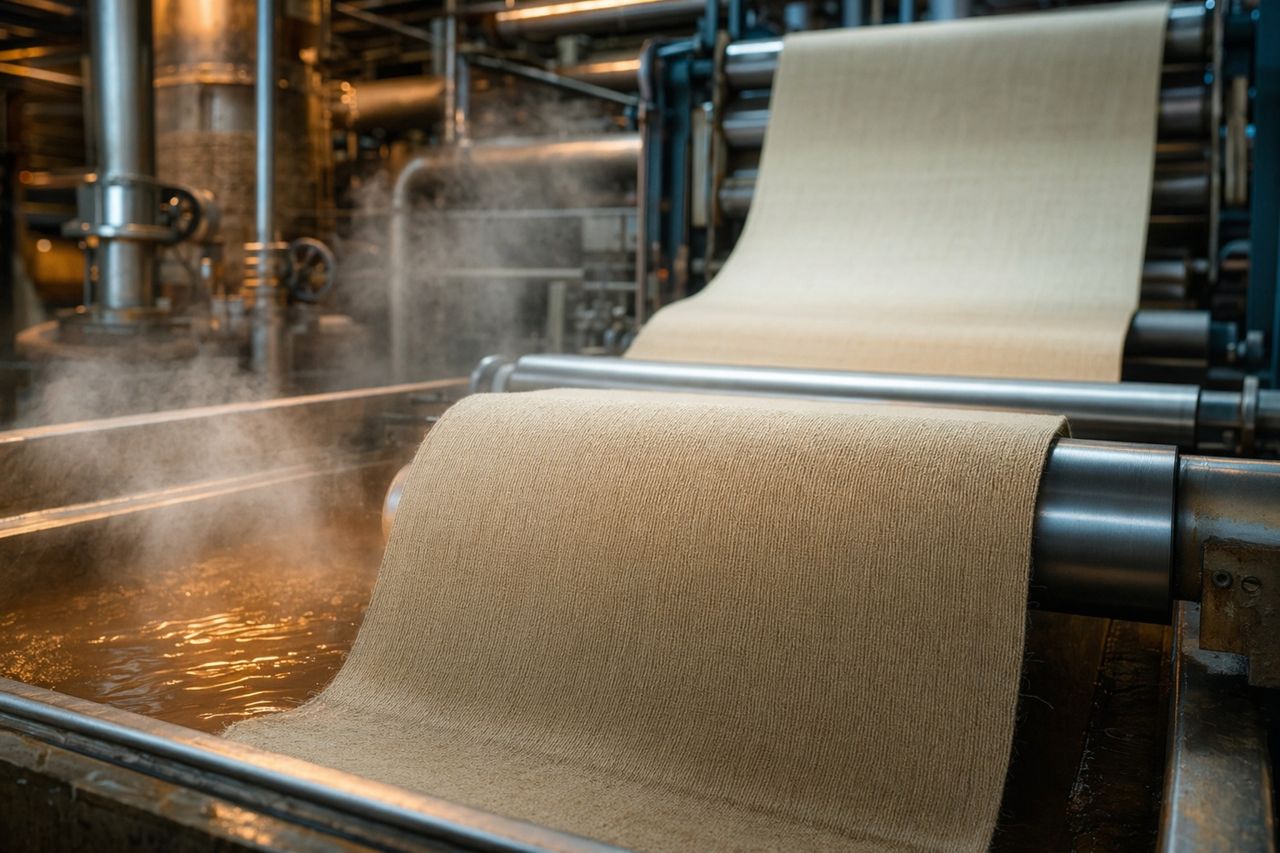
A faceless, one-minute explainer video is embedded at the top of this page. It shows greige cotton moving through a mill line, starch-size overlays dissolving through the weave, and wet-out readiness indicators stabilizing before downstream processing.
Why enzymatic desizing matters in cotton mills
Warp sizing helps weaving efficiency, but leftover starch can work against every wet process that follows. Inconsistent desizing may show up as:
- uneven wet-out across fabric width or batch depth
- higher reprocessing after scouring or bleaching
- patchy dye uptake and shade correction pressure
- harsh or boardy fabric handle
- longer wash-off demand
- avoidable operator intervention during shift runs
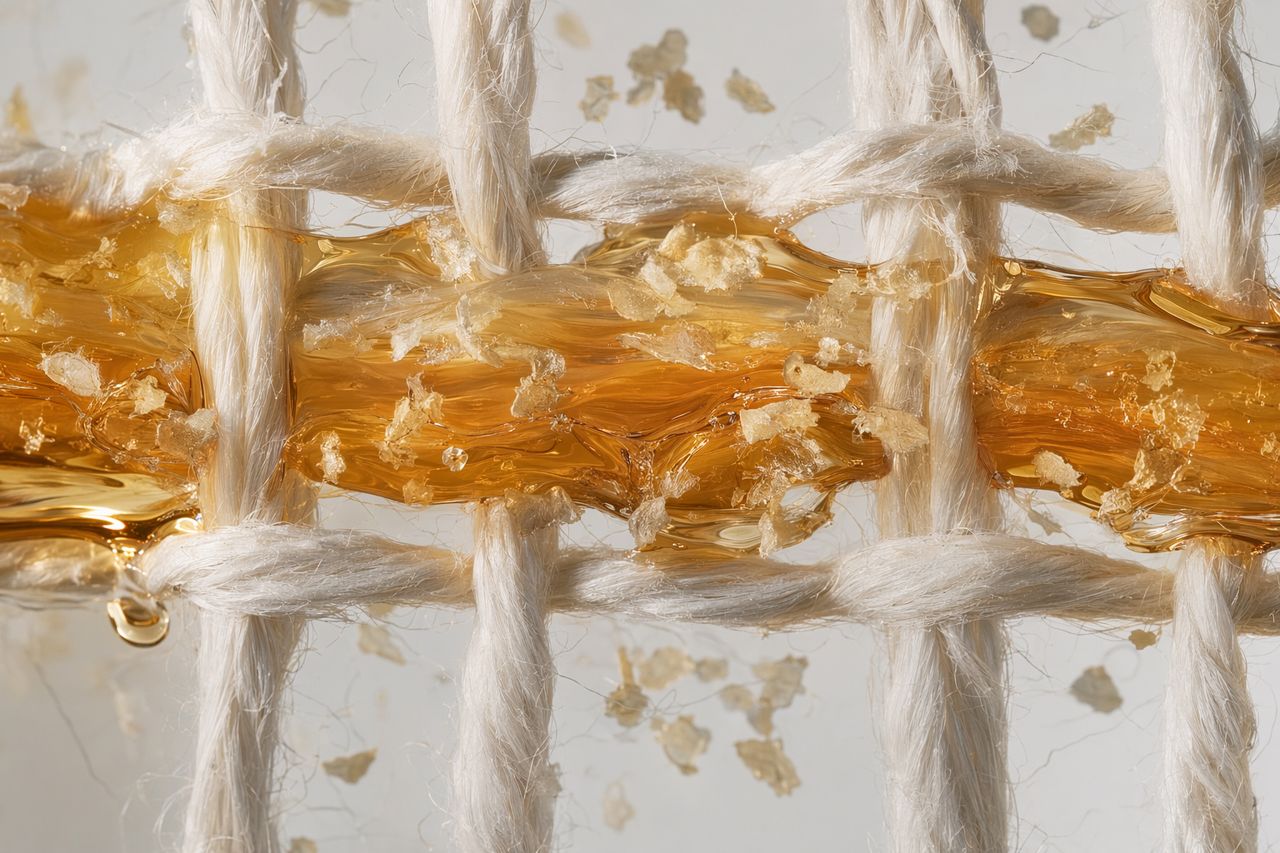
A controlled alpha-amylase desizing step breaks down starch-based size so it can be washed from the fabric more predictably. For a cotton textile mill, the goal is not only starch removal. The goal is fabric that enters the next process with stable absorbency and less shade-risk.
Built for pretreatment managers, not lab curiosity
Enzymebridge works as a textile desizing enzyme supplier for fabric mills that need production-fit guidance, not generic ingredient language. We support decisions around:
- woven cotton construction and yarn count sensitivity
- starch-heavy and blended size systems
- batch, semi-continuous, and continuous desizing routes
- current wet-out issues and reprocess history
- compatibility with existing wetting agents and wash stages
- practical pH and temperature windows used on the line
- documentation needs for quality, safety, and customer audits
We do not ask mills to redesign the plant around an enzyme. We help place the enzyme into the process already under production pressure.
Operational value mills can measure
More consistent starch removal
A properly selected desizing enzyme helps reduce residual size that can block absorbency. This supports smoother scouring and bleaching performance and gives dyeing teams a more dependable starting point.
Better wet-out consistency
When size removal is uneven, fabric can carry hidden variability into later baths. Enzymatic desizing helps improve wetting behavior across the fabric, reducing the chance that pretreatment variation becomes a dyehouse problem.
Lower reprocessing risk
Rewashing, shade correction, and rejected lots consume steam, water, chemistry, time, and operator attention. Consistent desizing helps reduce avoidable rework before value has been added downstream.
Controlled fabric handle
Enzymatic starch breakdown is targeted to the size, helping mills avoid unnecessary fiber harshness from more aggressive pretreatment approaches. The result is a cleaner fabric path with better handle control.
Easier audit support
Enzymebridge provides clear product documentation, lot traceability, safety information, and technical handling guidance to support internal quality systems and customer audit files.
Where the enzyme fits in the line
Enzymebridge desizing solutions can be evaluated for common cotton mill routes, including:
- pad-batch desizing
- pad-steam desizing
- j-box or dwell-based processes
- exhaust desizing for selected fabric programs
- integrated preparation lines before scouring and bleaching
We review fabric construction, size chemistry, machine contact time, liquor ratio, temperature window, washing capacity, and downstream quality targets before recommending a supply option.
What we need to quote accurately
To recommend the right desizing enzyme supply format and commercial terms, send the following through the quote form:
- fabric type and construction
- estimated monthly desizing volume
- current size system, if known
- process route and available dwell time
- operating pH and temperature window
- liquor ratio or padding setup
- main issue to solve: wet-out, residual starch, handle, shade variation, or reprocessing
- delivery region and preferred packaging format
- documentation requirements for your quality team
Why mills choose Enzymebridge
Enzymebridge is focused on industrial enzyme supply for cotton textile preparation. We understand that pretreatment managers are judged on line stability, not brochure claims. Our role is to make enzyme selection practical, repeatable, and aligned with mill constraints.
You can expect:
- process-literate technical conversations
- mill-ready documentation
- supply planning for recurring production
- support for trials and scale-up review
- clear handling and storage guidance
- quote responses built around your actual process conditions
Request a quote
Ready to evaluate a desizing enzyme for your cotton mill or your customers' mills? Use the on-site quote form: send the product, the quantity per order or per month and the destination country, then your fabric route, size chemistry, temperature window, liquor ratio, and target outcome. Price, pack size and lead time are quoted per order. Enzymebridge will review the process details and respond with a practical supply recommendation.